An empowering online course by Rev. Dr. Kevin Appleton
Hypnosis for Smoking Cessation
Work with the habits, triggers, and beliefs that keep the smoking cycle alive.
You do not need more pressure.
You need a better way to interrupt the pattern.
Smoking often becomes automatic.
You may not always pause and decide to smoke.
Your mind may simply follow a familiar path:
Stress → cigarette
Coffee → cigarette
Driving → cigarette
Meal finished → cigarette
Hypnosis can help you slow that pattern down and create a new response.
It is not a magic switch.
It is a support tool that can help you work with the habits, emotional triggers, and beliefs that keep the smoking cycle alive.
What You Will Learn
Hypnosis can support your quit-smoking journey by helping you:

Reduce the power of cravings
Break automatic trigger associations
Mentally rehearse daily routines without smoking
Change the emotional meaning of cigarettes
Build a stronger nonsmoker identity
Manage stress without reaching for a cigarette
Strengthen your motivation for quitting
Prepare for high-risk situations
Reduce the chance of returning to old patterns after one difficult day
Nicotine. Habit. Emotional Triggers. Identity.
A useful quit-smoking plan looks at the whole pattern.
Nicotine may need medical or pharmacological support.
Hypnosis focuses heavily on the other parts of the cycle:
Habit, the automatic routines connected to smoking
Emotional triggers, the stress or feelings that lead to cigarettes
Identity, the way you see yourself and your future
The goal is not just to stop a behavior.
The goal is to become more comfortable as a nonsmoker.
What People say
Real stories from real people who showed up for themselves.
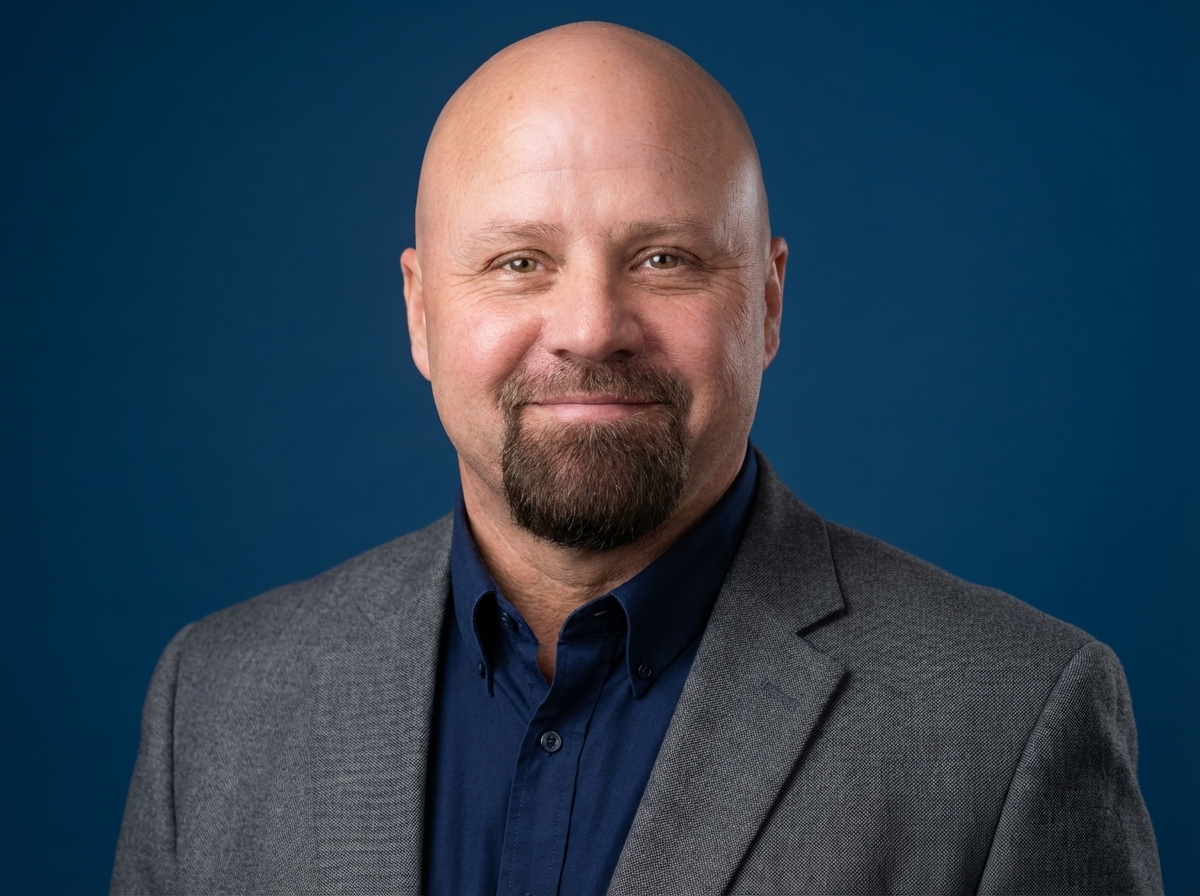
About Rev. Dr. Kevin Appleton
Certified Life & Success Coach, Clinical Hypnotherapist, Author, & Entrepreneur.
Rev. Dr. Kevin Appleton is a renowned wealth coach, motivational speaker, and serial entrepreneur. Through his brands Mind Master and Mind Master Vault, he helps individuals transform their mindset, build wealth, and live with purpose. His practical yet inspirational approach has impacted audiences worldwide.
Begin building the mindset of a nonsmoker.
You do not need shame.
You do not need more pressure.
You need a practical way to interrupt the old pattern and rehearse a new one.
If smoking has become automatic, this course gives you a clear place to begin working with the triggers, habits, and beliefs behind the behavior.